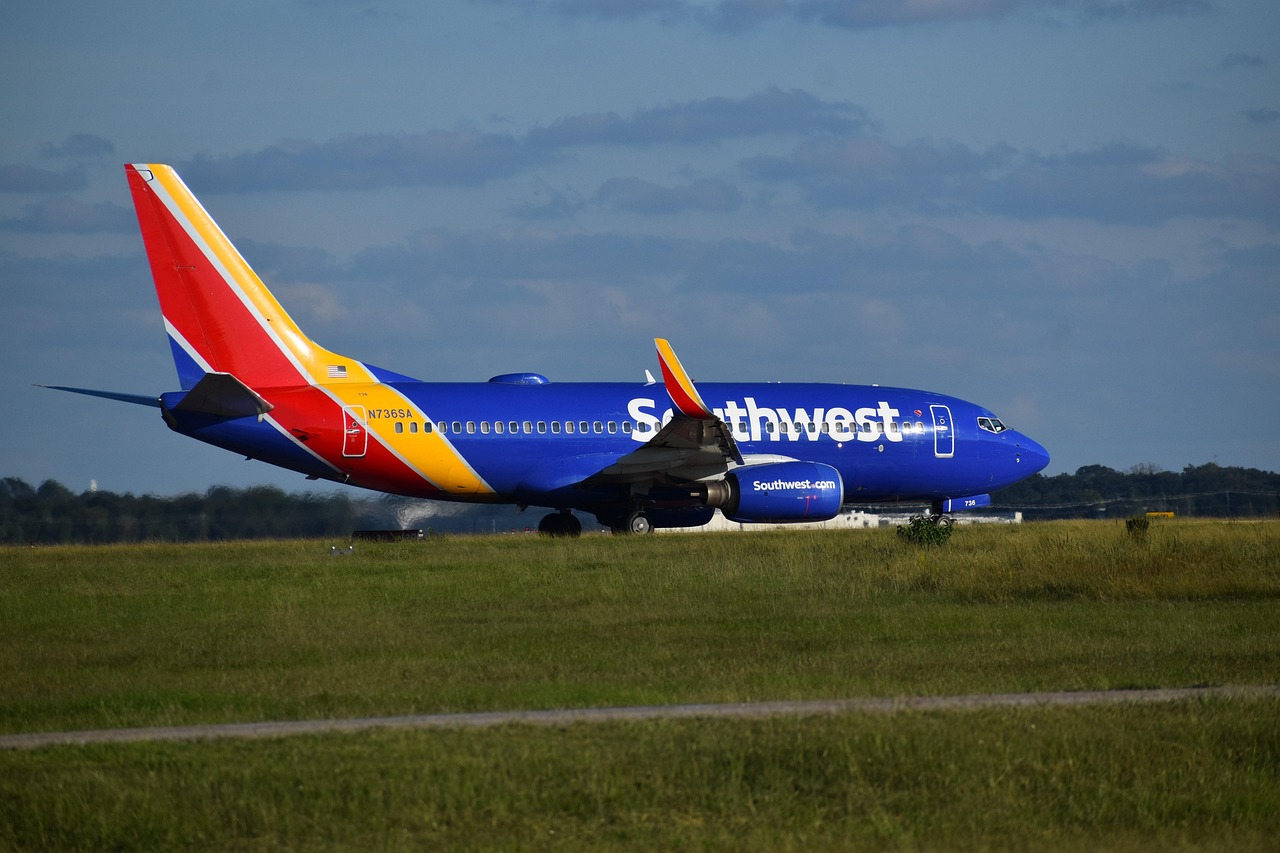
A legal dispute involving Southwest Airlines has drawn attention after the airline was hit with a $215,000 lawsuit following a hotel flooding incident allegedly caused by one of its flight attendants. The case highlights the potential liabilities companies face when employees are involved in incidents outside the aircraft but still during work-related travel.
According to reports, the incident occurred during a crew layover, where significant water damage was caused to a hotel property. The hotel has since filed a lawsuit seeking compensation for damages, repairs, and business disruption. The situation has sparked discussions about corporate responsibility, employee conduct, and insurance coverage in the aviation industry.
What Happened During the Hotel Incident?
The lawsuit centers on an incident where a hotel room occupied by a flight attendant was reportedly flooded, causing extensive damage not only to the room but also to surrounding areas. Water leakage allegedly spread to multiple floors, affecting infrastructure, furnishings, and guest accommodations.
While specific details of how the flooding occurred remain part of the legal proceedings, initial claims suggest negligence played a role. Whether it was due to unattended running water or a malfunction that went unaddressed, the damage escalated quickly, resulting in costly repairs for the hotel.
Legal Grounds Behind the $215K Lawsuit
The hotel’s legal claim is based on property damage, loss of revenue, and operational disruption. When hotel rooms or facilities are rendered unusable, businesses can suffer immediate financial losses due to canceled bookings and repair downtime.
In this case, the plaintiff argues that the airline bears responsibility because the employee was staying at the hotel as part of a work assignment. This raises important legal questions about employer liability and whether companies are accountable for off-duty behavior during business travel.
Employer Liability in Crew Layover Situations
Crew layovers are a standard part of airline operations, with companies typically arranging and covering accommodations for their staff. However, these situations can blur the lines between personal responsibility and corporate liability.
If an employee causes damage while off duty but still within the scope of work-related travel, courts may evaluate whether the employer should share responsibility. Factors such as company policies, supervision, and contractual agreements with hotels often play a role in determining liability.
Financial and Reputational Impact on Airlines
Beyond the financial implications of a $215,000 claim, incidents like this can affect an airline’s reputation. Publicized lawsuits may raise concerns about staff conduct and operational oversight.
Airlines often rely on strong partnerships with hotels worldwide. Disputes of this nature could strain those relationships, potentially leading to stricter agreements, higher insurance premiums, or revised crew accommodation policies.
Insurance and Risk Management Considerations
Cases like this highlight the importance of comprehensive insurance coverage for both airlines and hospitality providers. Liability insurance may cover damages caused by employees, but coverage limits and policy conditions can vary.
Risk management strategies are also critical. Airlines may need to reinforce guidelines for employee behavior during layovers and ensure that staff are aware of their responsibilities while staying in partner accommodations.
Lessons for Businesses and Travelers
This lawsuit serves as a reminder that incidents during business travel can carry significant consequences. Companies must clearly define expectations for employee conduct, even outside the workplace.
For hotels, it underscores the importance of having strong legal agreements and insurance protections when hosting corporate clients. Clear documentation and incident reporting procedures can help mitigate disputes when issues arise.
Conclusion: A Costly Reminder of Accountability
The $215K lawsuit involving Southwest Airlines underscores how a single incident can lead to complex legal and financial challenges. As the case unfolds, it may set a precedent for how similar situations are handled in the future.
Ultimately, the situation highlights the need for accountability at both individual and corporate levels. With clearer policies, better risk management, and stronger communication, businesses can reduce the likelihood of such costly incidents occurring again.