
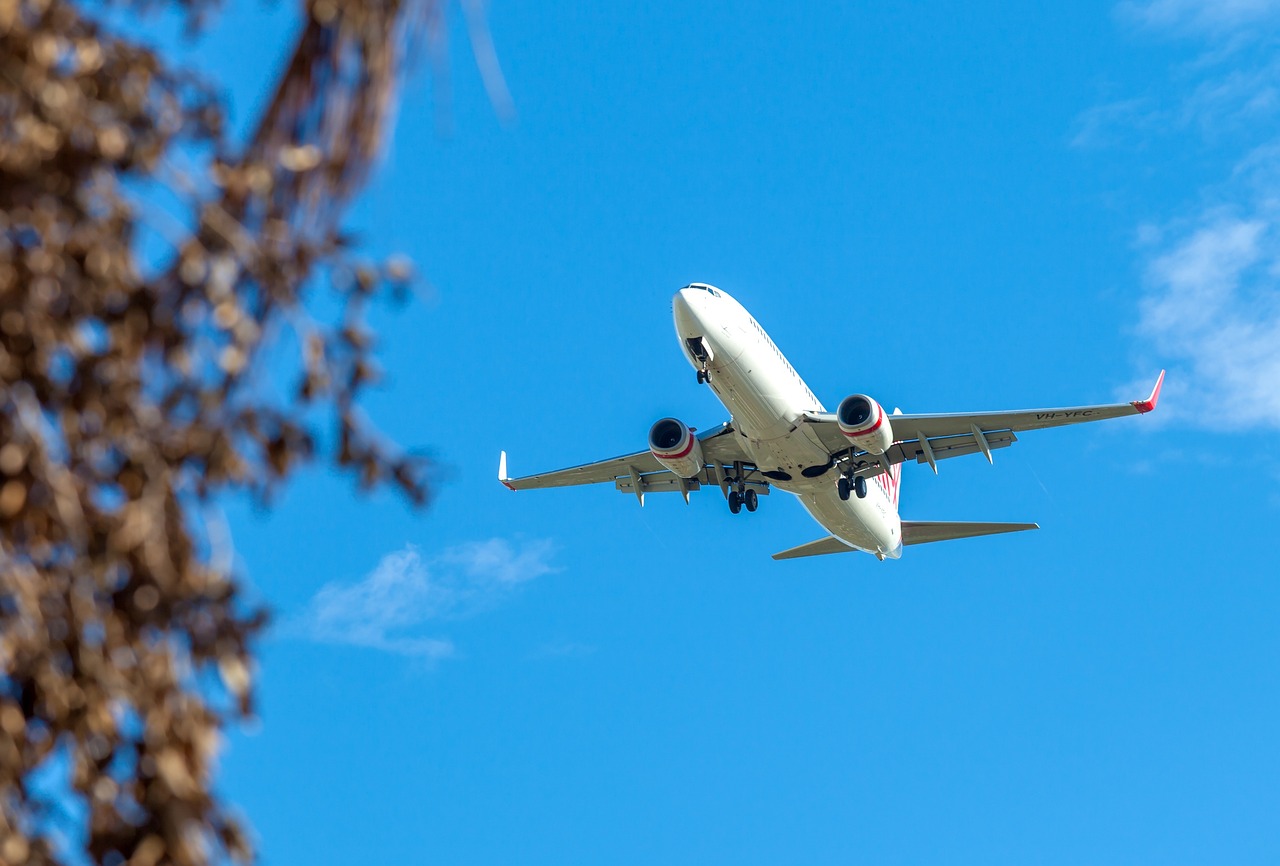
Flight tracking is the process of monitoring the real-time status of an aircraft, from departure to arrival. This includes details such as departure and arrival times, delays, gate information, and the current location of the plane. For travelers, flight tracking offers peace of mind by providing up-to-date information, reducing uncertainty and allowing for better planning of airport transfers or connecting flights.
In addition to helping passengers, flight tracking is essential for airlines, airport authorities, and logistics companies. It improves operational efficiency by allowing for better coordination and timely responses to delays, weather disruptions, or other unexpected changes. As travel becomes increasingly dynamic, real-time tracking has become a standard expectation for smooth journeys.
How flight tracking technology works
Flight tracking relies on a combination of radar systems, GPS data, and airline reporting. Aircraft transmit information about their position, altitude, and speed through systems like ADS-B (Automatic Dependent Surveillance–Broadcast), which can be accessed by tracking platforms online. This data is then processed and displayed on user-friendly interfaces, showing live maps, flight paths, and estimated arrival times.
Many tracking platforms also integrate weather information, allowing users to see how conditions might affect a flight. Mobile apps and websites provide push notifications for delays or gate changes, making it easier for travelers to adjust their plans quickly. This level of technological integration ensures that flight tracking is both accurate and convenient.
Benefits for travelers
For travelers, flight tracking goes beyond just knowing if a plane is on time. It allows passengers to plan airport arrivals more precisely, avoid unnecessary waiting, and coordinate with friends or family for pick-ups. In cases of delays or cancellations, tracking tools help passengers make informed decisions about alternative flights or connecting transportation.
Additionally, frequent flyers and business travelers benefit from the ability to monitor multiple flights simultaneously. By having all relevant information in one place, they can reduce stress and maintain schedules even during travel disruptions. Flight tracking provides a sense of control and preparedness that traditional travel updates often cannot match.
Benefits for aviation professionals
Airline staff and airport operators also rely heavily on flight tracking systems. Ground crews use live data to manage gate assignments, luggage handling, and boarding processes efficiently. Air traffic controllers use tracking to maintain safe distances between aircraft and coordinate landings and takeoffs in crowded airspaces.
For maintenance and operations teams, tracking allows for proactive management of aircraft schedules and helps anticipate technical or logistical issues before they escalate. This improves overall safety, efficiency, and passenger satisfaction while reducing operational costs for airlines.
Choosing the right flight tracking tool
With a variety of tracking platforms available, choosing the right tool depends on the traveler’s needs. Some platforms focus on simple live maps and status updates, while others offer advanced analytics, historical data, and push notifications for multiple flights. Mobile accessibility and user-friendly interfaces are also important considerations for frequent travelers.
Understanding the features and reliability of each tracking option helps travelers select a solution that fits their specific requirements. By choosing the right platform, travelers gain accurate information in real time, making their journey smoother and less stressful.
Staying informed and prepared
Ultimately, effective flight tracking allows travelers to stay informed and prepared at every stage of their journey. Whether it’s anticipating delays, coordinating airport transfers, or planning alternative routes, real-time data ensures that decisions are based on facts rather than guesswork.
By incorporating flight tracking into travel routines, passengers can minimize stress, optimize time, and enjoy a more seamless experience. In a world where air travel schedules are often unpredictable, flight tracking has become an indispensable tool for both casual and frequent travelers alike.