
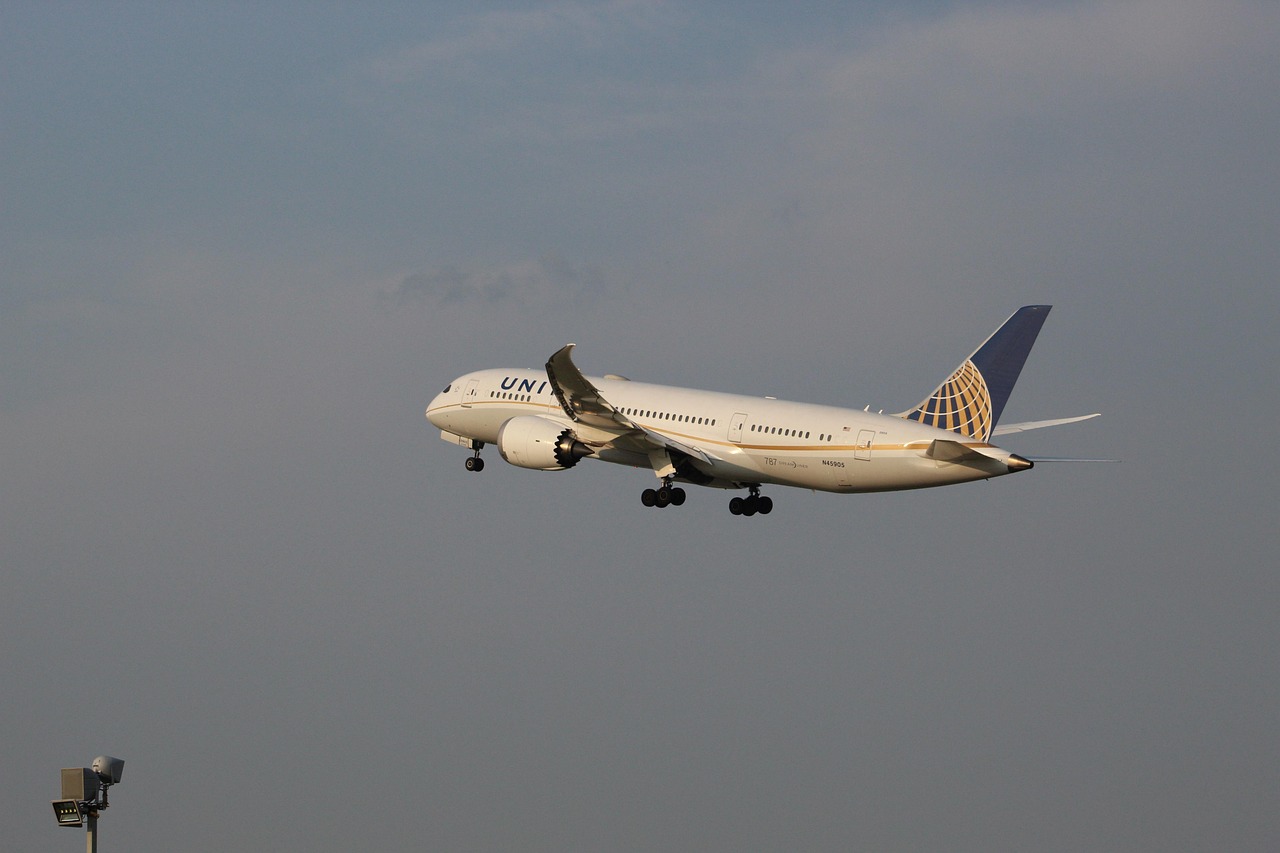
Some narrowbody aircraft are designed in a way that makes them stand out completely from standard commercial jets. Instead of carrying more than a hundred passengers in a typical mixed cabin, a small number of aircraft are configured with only about 70 seats, all arranged in a business class style. These aircraft are usually used for private charter services, offering extra space, privacy, and comfort for special groups. However, on rare occasions, they also appear on regular passenger schedules, giving everyday travelers a chance to experience a highly exclusive type of flight.
A Rare Aircraft Type With a Very Low-Density Cabin
In most commercial aviation operations, narrowbody jets are designed to maximize passenger capacity. Standard layouts often include economy seating with a small premium cabin at the front. In contrast, these rare aircraft are completely reconfigured. The entire cabin is converted into a premium layout, removing economy seating altogether.
With only around 70 reclining business class seats, the cabin feels significantly more spacious than a normal short-haul aircraft. The wider seat pitch, reduced passenger count, and quieter atmosphere create an experience that is closer to a private jet than a standard commercial flight. This design is intentional, as these aircraft are meant to serve clients who prioritize comfort, privacy, and flexibility over capacity.
Designed for Private Charter and Exclusive Travel
These low-density aircraft are primarily used for private charter operations. Their main purpose is to transport high-profile groups such as professional sports teams, corporate executives, and entertainment crews. Instead of flying on multiple commercial tickets, these groups can travel together in a single aircraft that offers privacy and convenience.
This setup is especially useful for sports teams that travel frequently and require a controlled environment. It allows them to rest, prepare, and move as a unit without the disruptions of a standard passenger cabin. Entertainment groups and business organizations also use these aircraft when traveling schedules are tight and confidentiality is important.
The aircraft are not new, but they are carefully maintained and refurbished to meet premium travel standards. Even though the airframes may be older, the cabin interiors are modernized to prioritize comfort and function over high passenger capacity.
A Fleet Built Around Comfort Instead of Capacity
Unlike traditional airline fleets that focus on maximizing seat numbers, this type of operation uses a very small number of aircraft that are dedicated entirely to premium service. The aircraft are typically wide enough for a comfortable single-aisle layout but are intentionally kept low-density.
Each aircraft features a uniform business class cabin, meaning every passenger receives the same level of service. There is no economy section, no separation into multiple classes, and no overcrowding. This simplicity is part of what makes the experience unique, as passengers enjoy a consistent premium environment from boarding to arrival.
The exterior design also often differs from standard commercial aircraft. Some of these jets are painted in darker, more distinctive colors that help them stand apart from regular fleet operations. This reinforces their identity as special-use aircraft rather than standard passenger planes.
Occasional Use on Regular Passenger Routes
Although these aircraft are primarily reserved for charter operations, they are occasionally assigned to regular passenger flights. When this happens, seats become available for public booking, allowing ordinary travelers to experience a rare aircraft that is normally used for private groups.
These appearances on scheduled routes are not frequent and tend to occur only during specific time periods. When they do appear, they are usually deployed on short-haul or regional flights between major cities. Routes may include connections between large hubs and nearby destinations, where demand can be matched with the aircraft’s limited seating capacity.
Because the total number of seats is significantly lower than standard aircraft, availability is extremely limited. Once flights are scheduled, they often attract attention from aviation enthusiasts and frequent travelers who are eager to experience a rare cabin layout.
Higher Fares Reflect Exclusive Capacity and Demand
When these aircraft operate on public routes, ticket prices are usually higher than standard flights on the same city pair. Even when marketed in a similar booking class, the fare reflects the reduced number of available seats and the premium cabin configuration.
Despite higher pricing, these flights often sell out quickly. The combination of limited availability, premium seating, and novelty value makes them attractive to travelers who are interested in unique aviation experiences. For many passengers, the opportunity to fly in a low-density all-business cabin is worth the additional cost compared to a standard economy or mixed-cabin flight.
Strong Demand From Sports and Entertainment Travel
A significant portion of the aircraft’s usage comes from professional sports organizations. Teams in major leagues frequently require coordinated group travel, especially during busy seasons. A dedicated aircraft with a business class-only cabin allows entire teams, staff, and equipment to travel together efficiently.
Entertainment groups also rely on these types of aircraft when touring. Music performers, production crews, and touring staff often need flexible travel arrangements that can adapt to changing schedules. The privacy and comfort of a dedicated cabin make these aircraft ideal for such operations.
Corporate clients also use them for executive travel, especially when large teams need to move between cities without splitting into multiple flights.
A Rare Aviation Experience for Everyday Travelers
What makes this type of aircraft particularly interesting is its occasional availability to the public. While most of its life is spent on private charter missions, it sometimes enters scheduled airline operations. This creates a rare opportunity for regular passengers to experience a cabin usually reserved for private clients and elite groups.
These flights offer a very different feel from standard commercial travel. With fewer passengers, faster boarding, quieter cabins, and more personal space, the experience feels closer to private aviation than typical short-haul flying.
For aviation enthusiasts and curious travelers alike, spotting and booking one of these flights is considered a rare opportunity, as they do not follow predictable routes or consistent schedules.
Why These Aircraft Stand Out in Modern Aviation
In an industry that often focuses on efficiency and high passenger volume, low-density business class aircraft represent a different approach. They prioritize comfort, exclusivity, and flexibility over scale. While they are not widely used across the aviation industry, their presence highlights how airlines can adapt aircraft to serve specialized markets.
Even though they appear only occasionally on public routes, their unique configuration ensures they remain highly desirable whenever they do. For many travelers, flying on such an aircraft is less about reaching a destination and more about experiencing a rare and premium form of air travel.